
Brain Rehabilitation Technology: A Detailed Introduction to the Functions and Effects of Transcranial Magnetic Stimulation Therapeutic Apparatus
- winni
- December 12, 2025
- 257
- 0
- 0
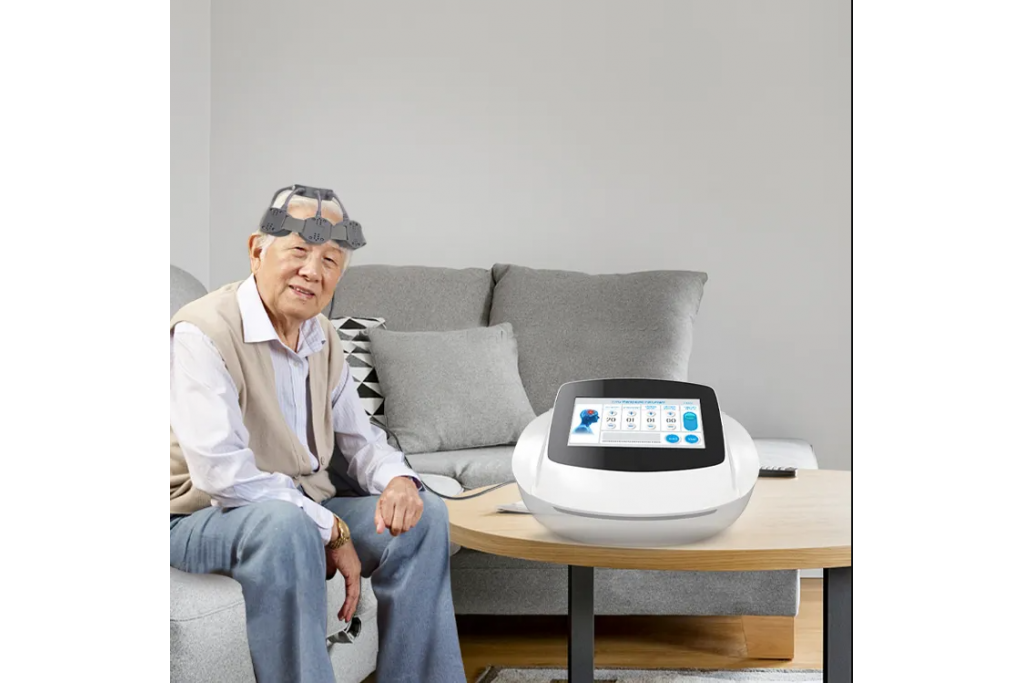
1. What is the Transcranial Magnetic Stimulation Therapeutic Apparatus?
The Transcranial Magnetic Stimulation Therapeutic Apparatus is a medical device that uses magnetic fields to act on the cerebral cortex. Through the principle of electromagnetic induction, it generates induced currents in brain tissue to modulate brain cell activity. It requires no surgery, is non-invasive and painless, and is often referred to as a "non-invasive brain physiotherapy device."
2. Core Functions and Mechanisms of Action
1. Promoting Brain Cell Repair and Regeneration
The device outputs magnetic fields of specific frequencies and intensities controlled by a microcomputer. These fields penetrate the skull and reach brain tissue, altering cell membrane potentials, promoting the metabolism and self-repair of dying brain cells, and aiding in the gradual recovery of damaged brain function.
2. Establishing Collateral Circulation and Improving Cerebral Blood Supply
Alternating magnetic fields generate a large number of positive charges in the brain, attracting negatively charged red blood cells. This encourages their passage through microcirculation channels, improves cerebral blood circulation, enhances vascular elasticity, gradually establishes collateral circulation, and increases oxygen and blood supply to brain tissue.
3. Remodeling Brain Electrical Network Function
By using specific magnetic fields to interfere with the generation and propagation of abnormal brain waves, the device helps restore normal brain electrical rhythms and improves neural network function. It is suitable for auxiliary treatment of mental disorders such as insomnia, anxiety, and depression.
4. Multi-Mode Vibration-Assisted Therapy
The device is equipped with 12 vibration modes, and vibration intensity can be adjusted according to patient tolerance. This assists in nerve relaxation, alleviates headaches, and enhances treatment comfort.
3. Wide Range of Applications
This device is suitable for the rehabilitation treatment of various brain disorders, including:
Cerebrovascular Diseases: Cerebral infarction, cerebral blood supply insufficiency, post-stroke sequelae, etc.
Mental Disorders: Insomnia, depression, anxiety, psychiatric disorders, etc.
Brain Injury Diseases: Concussion, cerebral palsy, recovery phase after cerebral hemorrhage, etc.
Motor Dysfunctions: Parkinson's disease, tremors, etc.
4. Safe to Use and Easy to Operate
The device features adjustable magnetic field intensity in two strength levels (6mT–50mT). Treatment time, vibration mode, and other parameters can be personalized. It comes with adult and child magnetic therapy caps designed for a comfortable fit. The user interface is intuitive and includes audio prompts, making it suitable for use in hospitals, rehabilitation centers, or at home.
5. Precautions and Contraindications
Although the device is highly safe, it should be used under the guidance of a professional physician. The following groups should use it with caution or avoid it altogether:
Pregnant and breastfeeding women
Individuals with implanted electronic devices such as pacemakers
Patients with acute cerebral hemorrhage, high fever, or bleeding tendencies
Patients with severe liver or kidney dysfunction or malignant tumors
The Transcranial Magnetic Stimulation Therapeutic Apparatus, with its advantages of being non-invasive, painless, and effective, is becoming a vital tool in the field of brain function rehabilitation. Whether used in hospital rehabilitation departments or for home-based self-care, it offers a new technological option for brain health management.
If you or your family are facing challenges related to brain disease rehabilitation, consider trying this safe and effective physical therapy method under the guidance of a doctor.